Francistogram.
Crypto is here to stay - Storage
September 01, 2020 • 6 min read
This is the second post in a short series about how, where, and why to store your virtual assets on a wallet that you control
If you want to learn about where to get crypto you can read about exchanges here
Storage
When people are talking about storage with respect to crypto they’re referring to a wallet
It’s somewhat of a misnomer. A common misconception is that, unlike wallets for your dollar, a crypto wallet doesn’t store your assets
Assets are not stored in any centralized place; instead they are on the blockchain that’s stored on everyone’s computer who has it downloaded
That’s the beauty of decentralization, there’s no single point of failure
Wallets provide a framework for you to interface with the blockchain network and access your assets
To interface with the rest of the world you have a public address which is a set of random numbers and letters for you to share to receive digital assets
Upon creation you’ll also get a private key which is a separate set of random numbers and letters
Do not share your private key with anyone - ever
This is how you sign in to the wallet and can use it to access from any machine or to recover a lost one
There are a few types of wallets with different levels of security and convenience
Web Wallet
This is the easiest type of wallet to setup and it’s meant for beginners
It doesn’t require any purchase, installing an application, or downloading the blockchain locally on your hard drive
All you need is a login - simple
It is easy, but it is not secure
I would not recommend using a web wallet to store your digital assets
As I’ve mentioned a few times, you want to own your private keys
Do not outsource them to a company which is then holding custody of your key and, therefore, has access to your assets
Coinbase, for example, is both an exchange and offers a web wallet, but I’d urge you not to use it as a wallet
Storing your digital assets with a single company opens you up to a single point of failure that is out of your control
It’s happened before with Mt. Gox hack
Many have paid a hefty price to learn that lesson the hard way
Leverage their knowledge so you don’t have to
Mobile/Chrome Wallets
These are the most common kind of wallets out there
They provide free and easy access on a device you always have with you
The difference between mobile and web is that you likely own your private key
Just because it’s mobile doesn’t mean that you own the private key
Coinbase has a mobile app, but it is custodial and controls your assets
If you don’t need it to trade, then I’d get it off as soon as you can because as the price of the digital assets increases
You’ll treat mobile and Chrome wallets like cash
Keep just enough to spend here and there or move between accounts
As I’ve warned earlier there’s always a risk and mobile wallets bear more risk than leaving your money at home
Some solid wallets are
Depending on the coin you own, you may need a specific wallets
I’d recommend doing some of your own research through coin specific subreddits to find community defined best practices on how and where to store
Hardware Wallets
This is crypto’s version of keeping cash under the mattress
It’s a physical device that has no connection to the outside world (no Wi-Fi) except through a phone or a computer
Unlike a smartphone or a computer it has a single function: hold your private keys securely
Even if your computer has malware the hardware wallet is built to keep your assets secure
You control the hardware wallets from either your laptop or your phone, but you’ll need physical access to the hardware wallet
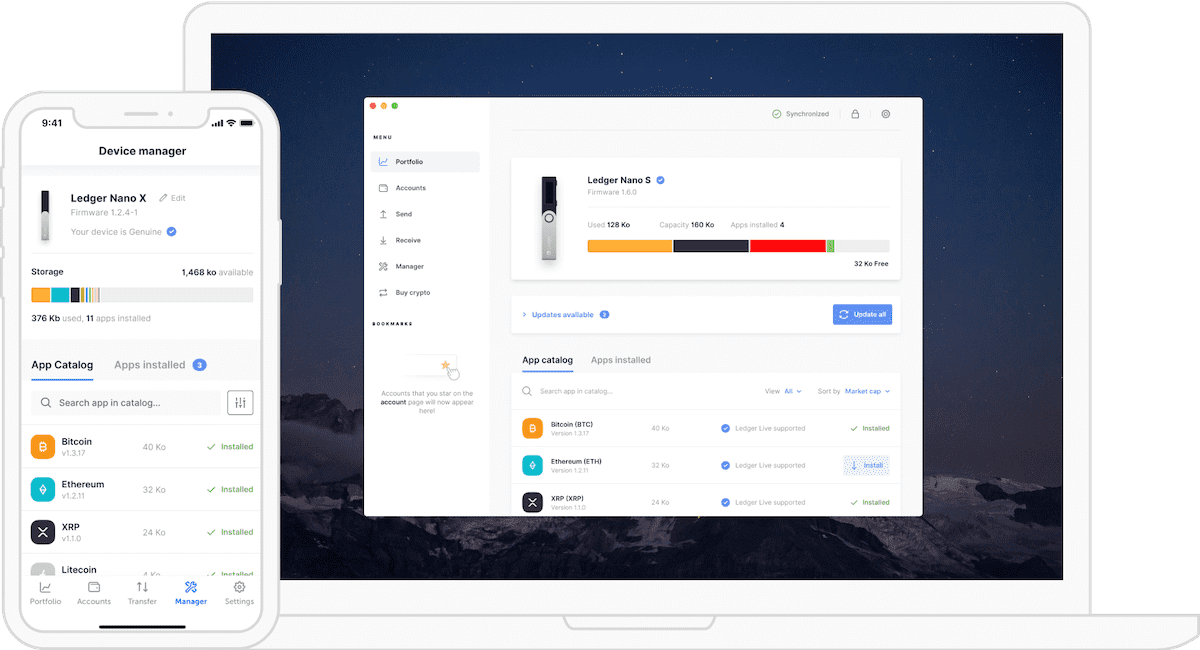
If you intend on holding any crypto get a hardware wallet
It costs between $60 and $150 which is a small price to pay for security, it’s better to be safe than sorry
Many ask what happens if you lose the physical wallet
When you set it up you’ll be provided with a 24-word recovery phrase
Write it on a piece of paper and store it somewhere safe, it should never enter the digital world
If you lose your device you can recover it by following the directions here
If you can, buy directly from the company’s website itself so that you know it hasn’t been tampered with
Peace of mind is worth it and I would not recommend skimping out on something that controls your finances
Ledger
Ledger has two main wallets
Nano S - \$59
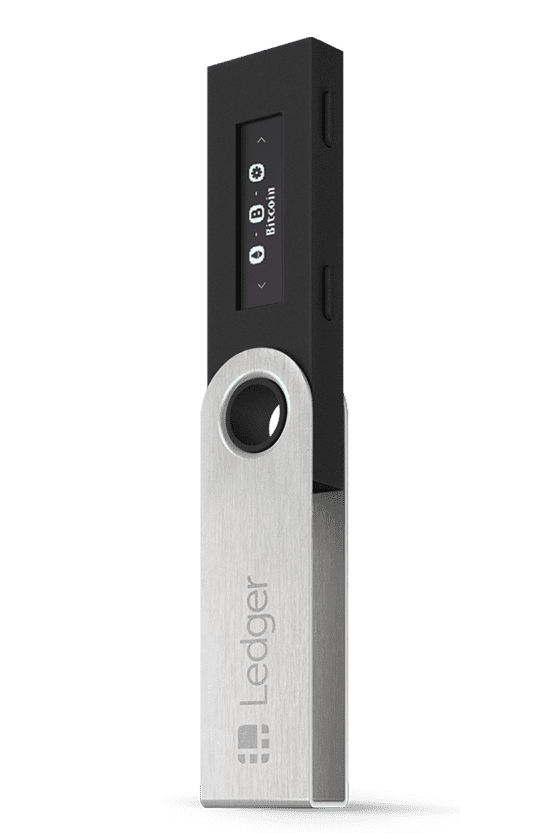
The Nano S is the cheaper of the two hardware wallets and does not have its own power source and must be plugged in to conduct any transactions
Nano X - \$119
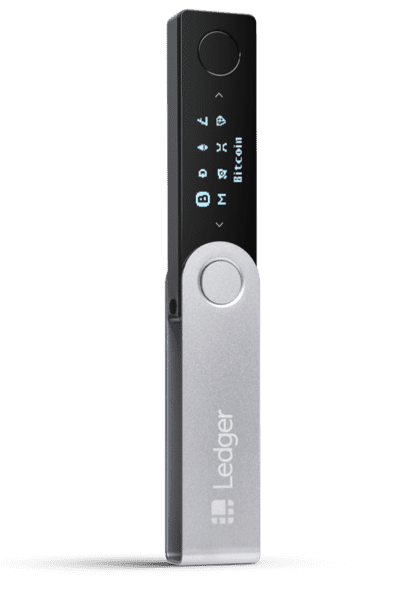
The Nano X has a built-in battery and connects to your phone or computer via Bluetooth
You end up paying \$60 more for the convenience of using Bluetooth which I personally think has been worth it
Conclusion
Storage is easy and there’s one rule
Own your fucking private keys
Security and privacy isn’t top of mind in today’s day and age, but when you enter the world of crypto it should be
You, just you, are responsible for your finances
There’s no customer service, no hotline, no get out of jail free card
Pure self-reliance and if there’s a single entity you should trust in this world it should be you
I’m writing a followup post on how I’ve structured my financial world
It’s built completely on top of crypto based companies
I’ll explain why I’ve done it this way from both a safety and a passive return/investment strategy
Written by
Fran
Knowledge makes the world go round, share yours